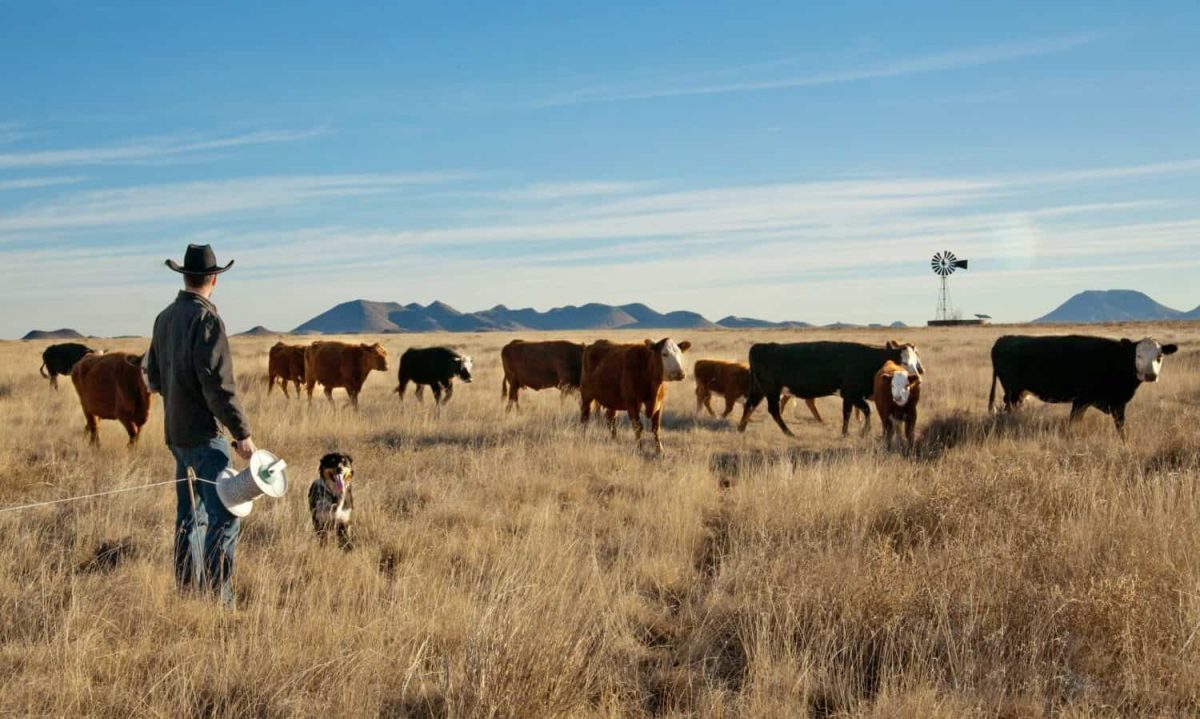
Easterday Farms
Ranchers and their enthusiasts are all too familiar with the tragic story of Easterday Farms. To our audience not yet acquainted with Gale Easterday, formula contracting, or the capitulation of the single family ranchers of America – inch a little closer.
The event which ended in unraveled fraud and a deadly car crash can be summarized, bluntly and apologetically, as an information and incentive mismatch. As entrepreneurs, we empathize with the outcome. As lenders, we recognize the need for change.
To say that big data could have helped avoid the event would be a bold claim. The reality is a more transparent, dynamic system can help ranchers fight back against formula contracting. Importantly, a better alternative to formula contracting can lead to happier ranchers, and thus, maybe even better burgers.
Allow us to explain how.
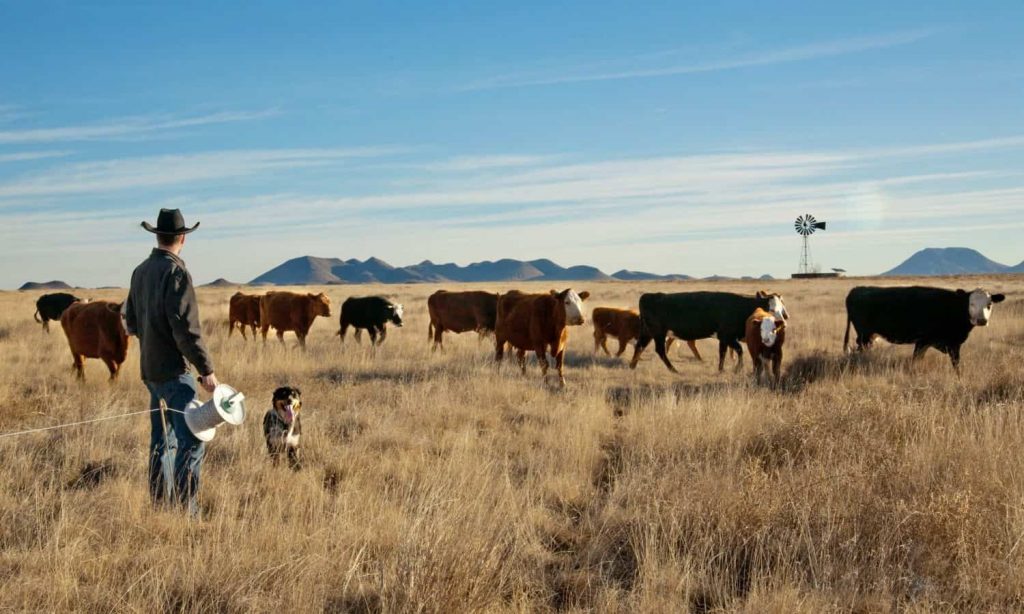
Too big to scale?
Feeding America, the NGO fighting Hunger, places emphasis on scale. Bigger producers and bulk orders means lower prices and better food access. As a result, the price of beef has steadily dropped over the past 20 years. Many ranchers, especially those producing under 50,000 pounds of livestock, are folding under the pricing pressure.
The four major cattle buyers in America – Tyson, JBS, Cargill, and Marfrig – have hit scale through several financial instruments. The most complex, and fastest growing, is called formula contracting. Basically a loan-to-own on young calves, formula contracting is an agreement to prepay ranchers on their calves and buy them back at the market price, plus interest, at their finishing age.
Small ranchers with cash flow issues rely on this tool to stay afloat. Margins have tightened and, almost in lockstep, the formula contract practice has expanded – today more than 70% of cows are under such terms.
The buyer is the lender
The danger with these contracts lives in the buyback clause. The buyback price is set on the CME – market participants which include speculators, day traders, and, of course, cattle’s big four. Tyson and gang, already under close watch over shady chicken price practices, have a clear economic incentive to lower the market – especially during the buyback window.
When a lender finances an operator against their inventory, they are betting on the business and its goods. In a good outcome, the business sells its inventory and pays off their debt. Alternatively, the business defaults and the lender liquidates the inventory into the free market.
Formula contracting is a different story. The better outcome for Tyson is a default scenario. If the price of cattle takes a hit, the buyer’s purchasing power increases. They receive their cattle at a much lower rate, collect interest, and if the rancher cannot pay can trigger aggressive default clauses.
Since the rancher cannot sell their only major asset to “the market,” they have no choice but to meet the buyer’s demands. This may include giving up more cattle, racking up penalties, or even losing their farm.
For those arguing the market price is set by the CME and it’s impossible to arbitrage the transaction, remember this: private cattle transactions do not have to trade at listed prices. If a bad actor artificially deflates the futures market, the rancher can still sell off-market at a fair price. That is not an option when there is only one buyer.
Create a new system
Though flawed, the formula contracting system is built on some solid ground. The ranchers need a cash advance on their future cattle sales. The lender needs protection for its risk. We believe the solution lies in introducing a third party.
When a third party lender can properly assess risk and contract in the free market, the operator wins. The business has more latitude to manage their cash flow without an imposing threat of a “margin call” (frankly, they have enough to worry about).
Third party lenders should also have an edge in underwriting. Granted Tyson & Co. have an intimate knowledge of the ranching market, we believe that risk can better be quantified using data. Today’s smart lending outfits look more like Facebook than Bank of America with engineers building tools to measure and track risk. Tyson failed to recognize millions of Easterday’s cattle left unaccounted for. A cutting edge lending software may have caught such malpractice.
Lendica’s We Heart Ranchers Program
At Lendica, we want to put an end to formula contracting using, you guessed it, lots of data. Today, savvy ranchers are using state of the art ranch-management software to track cattle, monitor feed, and process billing. That same software can soon be used to share information with lenders and quickly offer financing. Lendica believes that by empowering ranchers to seamlessly share their data, easily understand loan documents, and instantly access capital we can build a more sustainable credit infrastructure for the ranchers of America. And, with that, hopefully a better burger.
To learn more about the Lendica We Heart Ranchers or sign up for our waiting list, click here.